

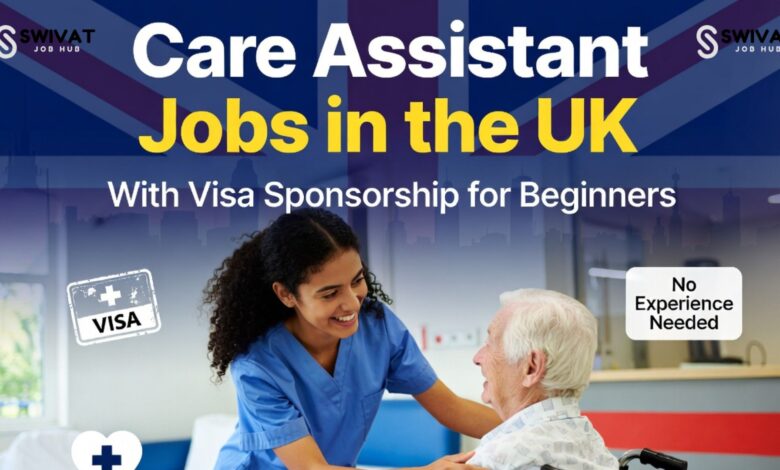
You start searching for jobs in the UK, hoping for something realistic, something you can actually apply for without years of experience.
Then you see it.
“Care assistant required. Visa sponsorship available.”
But almost immediately, doubt sets in.
You start asking yourself questions like:
Do I need experience?
Do I need qualifications?
Is this even real for beginners?
And because of that doubt, most people scroll past opportunities that could actually change their life.
The truth is simple.
Care assistant jobs in the UK are one of the most accessible visa sponsorship opportunities for beginners in 2026.
Not because they are “easy jobs”, but because the UK has a serious demand for care workers and not enough local staff to fill those roles.
Once you understand how the system works, you realise it is not about luck. It is about knowing where you fit in.
Let’s break it down properly so you can understand how to actually get started.
Why Care Assistant Jobs in the UK Are in High Demand
The UK has an ageing population, which means more people require daily care and support services.
At the same time, fewer local workers are entering the care sector because the job is physically and emotionally demanding.
This creates a consistent gap in the workforce.
To solve this, care homes and healthcare providers are allowed to recruit international workers and offer visa sponsorship.
So when you see care assistant jobs offering sponsorship, it is not random. It is a response to a real labour shortage.
That is why beginners are accepted.
Because demand is higher than supply.
What a Care Assistant Actually Does
A care assistant supports individuals who need help with daily living.
This can include elderly people, disabled individuals, or patients recovering from illness.
Your daily tasks may include:
- helping patients with personal care
- assisting with meals and feeding
- supporting mobility and movement
- monitoring basic health conditions
- providing emotional support and companionship
It is not just physical work. It is also about patience and compassion.
You are working directly with people who depend on support.
That is why employers care more about attitude than experience at entry level.
Why Beginners Are Accepted for Care Jobs
One of the biggest advantages of care assistant roles is that many employers are willing to train beginners.
You do not need advanced medical knowledge to start.
What matters more is:
- willingness to learn
- empathy
- communication skills
- reliability
Most care homes provide on the job training and sometimes require short certifications after hiring.
So even if you are starting from zero, you are not excluded.
Types of Care Assistant Jobs in the UK
Care work is not one single role. It is divided into different categories depending on the care setting.
1. Residential Care Assistant
You work in care homes supporting elderly residents with daily activities.
This is one of the most common entry level roles.
2. Home Care Assistant
You visit patients in their homes and provide one on one support.
This role requires independence and time management.
3. Hospital Support Worker
You assist nurses and medical staff in hospitals.
Tasks are usually non clinical but essential to patient care.
4. Disability Support Worker
You support individuals living with physical or learning disabilities.
This role requires patience and consistency.
Salary Expectations for Care Assistants in the UK
Care assistant salaries vary depending on location, employer, and experience level.
However, beginners can expect:
- hourly wages aligned with UK care sector standards
- overtime pay in many roles
- possible accommodation or relocation support in some cases
While it may not start as a high paying job, it offers stability and long term growth.
Visa Sponsorship for Care Assistant Jobs
To work legally in the UK, international applicants need a valid visa.
Most care assistant jobs use the Health and Care Worker visa route.
This visa allows employers to sponsor foreign workers for eligible care roles.
Once sponsored:
- you can live and work in the UK
- your employer supports your application
- you may have a pathway to long term residency
This is why care jobs are one of the most accessible migration routes for beginners.
Step by Step Guide to Getting Care Assistant Jobs in the UK
Now let’s make this practical so you understand exactly what to do.
Step 1: Understand the Role You Are Applying For
Do not just apply blindly.
Understand that care work involves:
- physical responsibility
- emotional support
- shift-based schedules
Knowing this helps you prepare mentally.
Step 2: Prepare a Simple CV
Your CV does not need to be complicated.
For care assistant jobs, employers want clarity.
Include:
- basic personal information
- willingness to work in care sector
- communication skills
- any volunteer or informal experience
Even if you have no experience, your attitude matters.
Step 3: Apply to Licensed Care Employers
Not all employers can sponsor visas.
You must apply to licensed sponsors approved by UK immigration authorities.
Focus on:
- registered care homes
- healthcare recruitment agencies
- verified job platforms
Avoid unverified offers.
Step 4: Apply Consistently
Many applicants give up too early.
Care sponsorship hiring is competitive, so you must:
- apply to multiple employers
- track your applications
- stay consistent over time
Step 5: Prepare for Interview Questions
Interviews are usually simple.
You may be asked:
- Why do you want to work in care?
- Are you comfortable working shifts?
- Can you handle physically demanding tasks?
Answer honestly and confidently.
Step 6: Understand Sponsorship Process
If selected, the employer begins visa sponsorship.
This includes:
- issuing a Certificate of Sponsorship
- supporting your visa application
- guiding you through documentation
The process takes time, so patience is important.
Common Mistakes Beginners Make
Many applicants fail due to simple avoidable mistakes.
These include:
- applying without understanding care work
- using weak or unclear CVs
- applying to non sponsoring employers
- giving up after rejection
- ignoring job requirements
Fixing these improves your chances immediately.
Challenges of Care Assistant Jobs
Care work is rewarding but demanding.
You may experience:
- long shifts
- emotional pressure
- physical fatigue
- working weekends or nights
However, many workers accept these challenges because of:
- stable employment
- visa opportunities
- career growth pathways
How to Increase Your Chances of Getting Hired
To improve your success rate:
- focus on care specific CVs
- apply only to sponsoring employers
- show willingness to relocate
- be flexible with working hours
- stay consistent with applications
Consistency is often what separates successful applicants from unsuccessful ones.
Why Care Jobs Are a Strong Entry Point for Beginners
Care assistant jobs are one of the few roles where beginners can realistically enter the UK job market through sponsorship.
You do not need advanced education or years of experience.
What matters most is readiness to learn and commitment to the role.
For many international applicants, this becomes the first step into building a long term career abroad.
What Life in the UK Care Sector Actually Looks Like for Beginners
Many people apply for care assistant jobs thinking only about getting into the UK. But very few actually understand what daily life in the role feels like.
Once you get the job, your routine is usually structured around shifts. Most care assistants work either morning, afternoon, or night shifts depending on the care home schedule.
A typical morning shift starts early. You may begin by assisting residents with waking up, washing, dressing, and preparing for breakfast. After that, you help serve meals and ensure everyone is comfortable and safe.
During the day, tasks may include helping patients move around, supporting recreational activities, or simply spending time talking with residents. This part of the job is often overlooked, but it is one of the most important because loneliness is a major issue among elderly residents.
In the afternoon, you may assist with lunch, medication reminders, and basic care routines. By the end of the shift, you help ensure rooms are clean, residents are settled, and everything is properly documented.
It is a structured job, but also emotionally engaging. You are not just working for money. You are interacting with people who rely on you daily.
Skills That Make You Successful as a Care Assistant
Even though beginners are accepted, not everyone succeeds in care roles. The difference usually comes down to soft skills rather than technical experience.
One of the most important skills is patience. You will be working with elderly individuals who may move slowly, forget things, or need repeated assistance. Without patience, the job becomes overwhelming.
Another key skill is communication. You need to clearly understand instructions from supervisors and also communicate respectfully with residents who may have hearing or cognitive challenges.
Empathy is also essential. You are dealing with people who are vulnerable, so your attitude matters as much as your actions. Employers notice how you treat others more than your qualifications.
Finally, reliability is critical. Care homes operate on strict schedules, and missing shifts can affect patients directly. Employers prefer candidates they can depend on consistently.
How to Write a Care Assistant CV That Gets Sponsored Jobs
Your CV is often the first filter employers use before deciding whether to contact you.
Even without experience, your CV can still be strong if structured properly.
Start with a simple personal profile. This should briefly explain who you are, your interest in care work, and your willingness to relocate.
Next, highlight any transferable skills. These could include teamwork, communication, time management, or even informal caregiving experience such as helping family members.
You should also include any volunteering work, school activities, or responsibilities that show responsibility and discipline.
Keep your CV simple and clean. UK employers prefer clarity over complexity.
Avoid long paragraphs or unnecessary information. One or two pages is enough.
How to Find Real Care Sponsorship Jobs in the UK
One of the biggest challenges applicants face is identifying real job offers.
There are thousands of listings online, but not all of them offer genuine sponsorship.
Real care sponsorship jobs usually come from:
- registered care homes
- licensed UK employers
- verified recruitment agencies
- official job boards
A key sign of legitimacy is whether the employer is listed as a licensed sponsor under UK immigration rules.
You should always verify before applying. This step alone saves you from scams and wasted effort.
Also, avoid any job that asks for payment before hiring. Legitimate employers do not charge applicants for sponsorship.
Mistakes That Prevent Applicants From Getting Selected
Many beginners apply correctly but still get rejected because of simple mistakes.
One common mistake is sending the same CV to every job. Care jobs require tailored applications that show understanding of the role.
Another mistake is ignoring job descriptions. If an employer asks for specific qualities like flexibility or shift availability, you must reflect that in your application.
Some applicants also fail because they lack consistency. Applying once or twice and stopping reduces your chances significantly.
Finally, unrealistic expectations also play a role. Some people expect immediate responses or fast visa approval, but the process takes time.
Understanding the UK Care Worker Visa Process
Once you receive a job offer, the next step is the visa process.
For care assistant jobs, most applicants apply through the Health and Care Worker visa route.
After receiving sponsorship, your employer issues a Certificate of Sponsorship. This document confirms your job offer and allows you to apply for a visa.
You will then submit your visa application along with required documents such as identification, proof of English proficiency, and job details.
The processing time varies, but once approved, you are legally allowed to live and work in the UK under your sponsoring employer.
This pathway is one of the most structured routes for international workers entering the UK.
Why Care Jobs Are a Long Term Opportunity, Not Just a Job
Many people see care assistant roles as temporary jobs, but in reality, they can become long term career paths.
With experience, you can progress into senior care roles, team leadership positions, or even healthcare training pathways.
Some workers also transition into nursing or specialised healthcare roles over time.
This means care jobs are not just entry level opportunities. They can become a foundation for long term career development in the UK healthcare system.
Realistic Expectations Before You Apply
It is important to be honest about expectations.
Care work is rewarding, but it is also physically and emotionally demanding. You will work shifts, sometimes weekends, and deal with challenging situations.
However, many workers still choose this path because it provides:
- stable income
- international work experience
- visa sponsorship opportunities
- long term migration potential
Understanding both sides helps you prepare mentally before applying.
In Conclusion
Care assistant jobs in the UK with visa sponsorship for beginners are real opportunities in 2026.
But they are not automatic.
Success depends on how well you understand the process, how consistently you apply, and how seriously you approach the role.
If you treat it like a real career path instead of a quick escape, your chances increase significantly.
The opportunity exists.
The next move is yours.