

For many people, travelling abroad starts with one major challenge.
Getting a visa.
The idea of applying for a tourist visa can feel confusing, stressful, and even intimidating, especially if you are doing it for the first time. There are forms to fill, documents to prepare, fees to pay, and sometimes interviews to attend.
Many beginners make mistakes simply because they do not fully understand the process.
Some get rejected because of incomplete documents. Others submit incorrect information or fail to present their application properly. Some even avoid applying at all because they believe the process is too complicated.
The truth is that applying for a tourist visa is not as difficult as it seems when you understand the steps clearly.
With the right preparation and guidance, you can increase your chances of approval and avoid unnecessary stress.
This guide explains how to apply for a tourist visa step by step for beginners, including the documents you need, how to prepare your application, common mistakes to avoid, and practical tips to improve your success rate.
What Is a Tourist Visa and Why Do You Need It
A tourist visa is an official document or stamp that allows you to enter a foreign country for leisure, tourism, or short visits.
It does not permit long term stay, work, or permanent residence.
Each country has its own visa rules, requirements, and application procedures.
For example, applying for a tourist visa to United States may involve a different process compared to applying for one to United Kingdom or Canada.
Understanding the specific requirements of your destination country is the first important step.
Why Tourist Visa Applications Get Rejected
Before applying, it is important to understand why some applications fail.
Common reasons include:
- Incomplete documentation
- Insufficient financial proof
- Lack of travel history
- Weak ties to home country
- Incorrect or inconsistent information
- Poor interview performance
Understanding these reasons helps you prepare better and avoid common mistakes.
Step 1: Choose Your Destination Country
The first step is deciding where you want to travel.
Different countries have different visa requirements, processing times, and approval rates.
Research your destination carefully and visit the official embassy or immigration website to understand the process.
Always rely on official sources instead of random online advice.
Step 2: Check Visa Requirements
Once you choose your destination, review the visa requirements.
Typical requirements include:
- Valid passport
- Completed application form
- Passport photographs
- Travel itinerary
- Proof of accommodation
- Financial documents
- Travel insurance
Some countries may require additional documents.
Understanding requirements early helps you prepare properly.
Step 3: Prepare Your Passport
Your passport is one of the most important documents.
Ensure that:
- It is valid for at least six months
- It has enough blank pages
- It is in good condition
If your passport is about to expire, renew it before applying.
Step 4: Complete the Visa Application Form
Most countries provide visa application forms online.
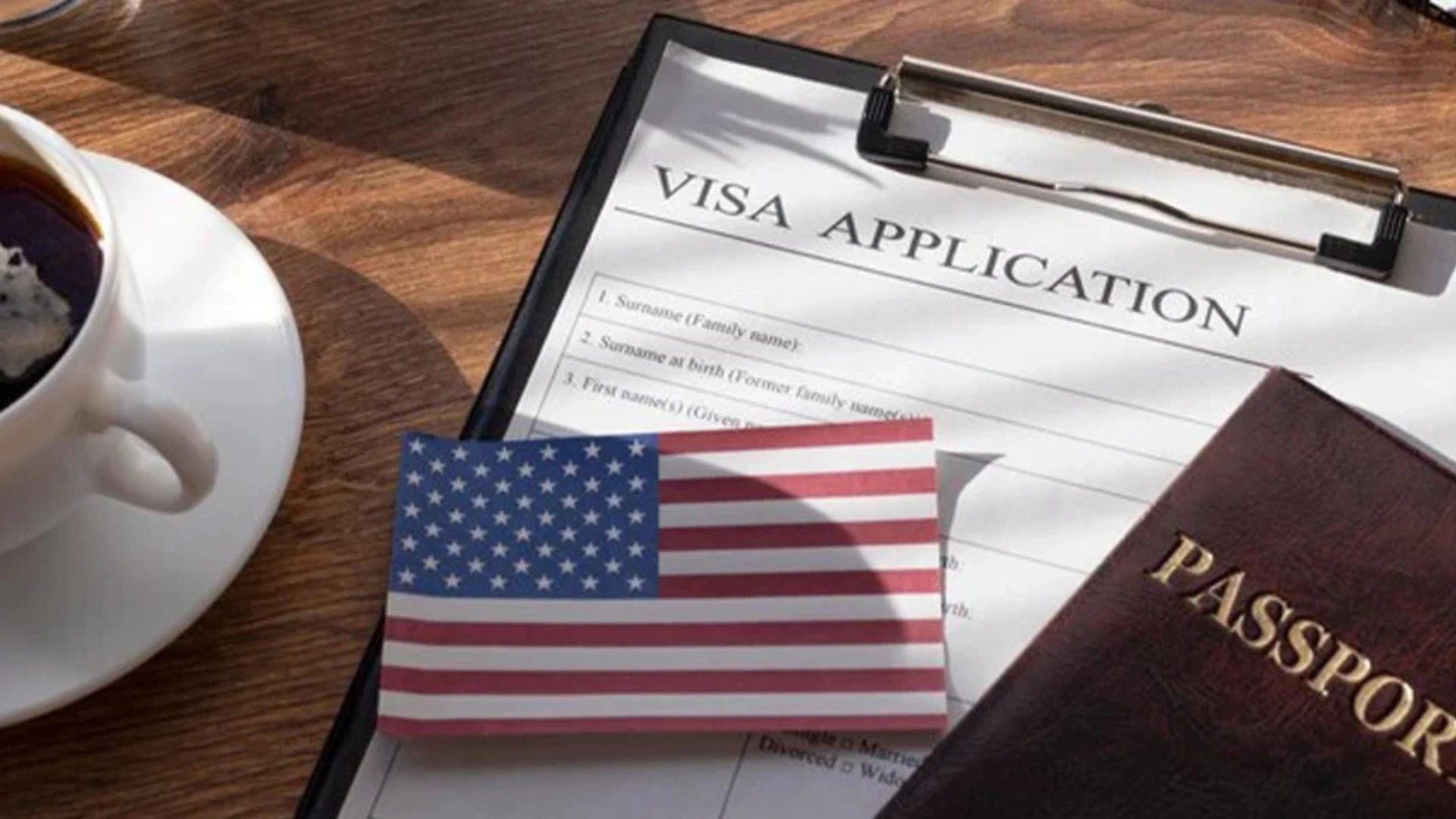
Fill the form carefully and ensure all information is accurate.
Avoid:
- spelling errors
- incorrect details
- inconsistent information
Any mistake can delay your application or lead to rejection.
Step 5: Gather Required Documents
Proper documentation is key to a successful application.
Common documents include:
Proof of Financial Stability
You must show that you can afford your trip.
This may include:
- bank statements
- sponsorship letters
- proof of income
Travel Itinerary
This outlines your travel plans.
It may include:
- flight reservations
- accommodation details
- planned activities
Proof of Accommodation
You need to show where you will stay.
This could be:
- hotel bookings
- invitation letters
- host details
Proof of Ties to Your Home Country
This shows that you will return after your visit.
Examples include:
- employment letter
- school enrolment
- business ownership
Step 6: Pay the Visa Application Fee
Most tourist visa applications require a fee.
The cost varies depending on the country.
Ensure you pay through official channels and keep your receipt.
Step 7: Book a Visa Appointment
Some countries require you to attend an appointment at an embassy or visa application centre.
During the appointment, you may:
- submit documents
- provide biometric data
- attend an interview
Book your appointment early to avoid delays.
Step 8: Attend the Visa Interview
Not all countries require interviews, but if yours does, preparation is important.
Common questions include:
- Why do you want to travel?
- How long will you stay?
- Who is sponsoring your trip?
- What do you do in your home country?
Answer honestly and confidently.
Avoid memorised answers.
Step 9: Wait for Processing
After submission, your application will be reviewed.
Processing times vary depending on the country and application volume.
Be patient and avoid making travel plans until your visa is approved.
Step 10: Receive Your Visa Decision
If approved, your visa will be stamped in your passport.
If rejected, you may receive a reason.
You can review the reason and reapply with improved documentation.
Common Mistakes Beginners Should Avoid
Many beginners make avoidable errors.
These include:
- submitting incomplete applications
- providing false information
- ignoring document requirements
- applying too late
- failing to prepare for interviews
Avoiding these mistakes improves your chances significantly.
How to Increase Your Chances of Visa Approval
To improve your success rate:
- provide complete and accurate documents
- show strong financial proof
- demonstrate ties to your home country
- be honest during the process
- prepare for interviews
Preparation makes a big difference.
How to Stay Organised During Your Application
Visa applications involve multiple steps.
Create a checklist to track:
- required documents
- application status
- appointment dates
Organisation reduces stress and prevents mistakes.
Tips for First Time Travellers
If you are applying for the first time:
- start early
- double check all information
- seek guidance if needed
- remain patient
Confidence grows with experience.
How Travel Apps Can Help You Plan After Getting Your Visa
After your visa is approved, planning your trip becomes easier with travel apps.
Apps like Skyscanner and Booking.com help you find affordable flights and accommodation.
Using these tools helps you manage your travel budget effectively.
Step By Step Summary
Step 1: Choose destination
Step 2: Check requirements
Step 3: Prepare passport
Step 4: Fill application form
Step 5: Gather documents
Step 6: Pay fee
Step 7: Book appointment
Step 8: Attend interview
Step 9: Wait for processing
Step 10: Receive decision
Detailed Breakdown of Each Visa Document and Why It Matters
Many beginners gather documents without understanding why they are required.
This is where mistakes happen.
When you understand the purpose behind each document, you prepare them better and avoid rejection.
Passport
Your passport is your primary identification for international travel.
It tells the visa officer:
- who you are
- your nationality
- your travel history
A passport with previous travel stamps can sometimes improve credibility, but even without travel history, a valid and well maintained passport is enough.
Bank Statements and Financial Proof
This is one of the most important parts of your application.
Visa officers want to see that you can support yourself during your trip.
Your bank statement should:
- be recent
- show consistent transactions
- reflect sufficient balance
Avoid submitting a sudden large deposit just before applying, as it may raise suspicion.
Employment or School Letter
This document proves that you have something to return to in your home country.
For workers, it shows:
- your job position
- your salary
- approval for leave
For students, it confirms:
- your enrolment
- your academic status
This helps convince the visa officer that you are not planning to overstay.
Travel Itinerary
Your itinerary shows your travel plan.
It tells the visa officer:
- where you are going
- how long you will stay
- what you plan to do
It does not need to be perfect, but it should be realistic and organised.
Accommodation Proof
This shows where you will stay during your trip.
It can be:
- hotel reservations
- host invitation letters
- temporary bookings
Having clear accommodation details makes your application stronger.
How to Write a Strong Cover Letter for Your Visa Application
Many applicants ignore the importance of a cover letter.
This is a mistake.
A cover letter allows you to explain your travel purpose clearly and connect all your documents.
A good visa cover letter should include:
- your reason for travelling
- your travel dates
- your financial situation
- your ties to your home country
- a polite request for visa approval
Keep it simple, clear, and honest.
Do not try to impress with complicated language.
Clarity builds trust.
How to Prove Strong Ties to Your Home Country
One of the biggest concerns visa officers have is whether you will return after your visit.
You must show strong reasons to come back.
This can include:
- a stable job
- ongoing education
- family responsibilities
- business ownership
- property ownership
The stronger your ties, the higher your chances of approval.
What Happens After You Submit Your Application
Many beginners feel anxious after submitting their application.
Understanding what happens next can help reduce stress.
After submission:
- your documents are reviewed
- background checks may be conducted
- your financial records may be verified
- your travel history may be checked
If required, you may be invited for an interview.
Processing time varies depending on the country.
Avoid sending multiple enquiries unless necessary.
How to Handle Visa Rejection and Reapply Successfully
Visa rejection can feel discouraging, but it is not the end.
Many successful travellers were rejected before eventually getting approved.
If your visa is rejected:
- read the reason carefully
- identify what went wrong
- improve your documents
- correct any errors
Do not rush to reapply immediately without fixing the issue.
Each application should be stronger than the previous one.
Real Example of a Successful Tourist Visa Application
Let’s make this practical.
Imagine a student applying for a tourist visa.
They:
- prepared a valid passport
- submitted a clear bank statement
- included a school letter
- created a simple travel itinerary
- booked temporary accommodation
They also wrote a clear cover letter explaining their purpose.
During the interview, they answered confidently and honestly.
Result?
Visa approved.
The difference was not luck.
It was preparation and clarity.
How Long the Tourist Visa Process Usually Takes
Processing time depends on the country.
For example:
- some countries process within a few weeks
- others may take longer
Always apply early to avoid last minute stress.
Do not wait until your travel date is too close.
How to Avoid Panic During the Application Process
Many beginners feel overwhelmed.
This is normal.
However, panic leads to mistakes.
To stay calm:
- follow a checklist
- prepare documents early
- double check everything
- avoid rushing
Confidence comes from preparation.
Additional Tips That Can Improve Your Chances
Small details can make a big difference.
Consider the following:
- dress properly for interviews
- organise documents neatly
- answer questions clearly
- avoid unnecessary information
- remain respectful during the process
These details create a positive impression.
Conclusion
Applying for a tourist visa for the first time may seem complicated, but it becomes much easier when you understand the process step by step.
Most visa rejections happen because of avoidable mistakes, not because applicants are unqualified.
By preparing your documents properly, following instructions carefully, and presenting your application clearly, you can increase your chances of approval significantly.
Travelling abroad starts with one important step.
Applying the right way.
Also Read: Best Apps for Booking Cheap Flights and Hotels 2026